

Uzbekistan to Expand Renewable Energy and Energy Storage Capacity
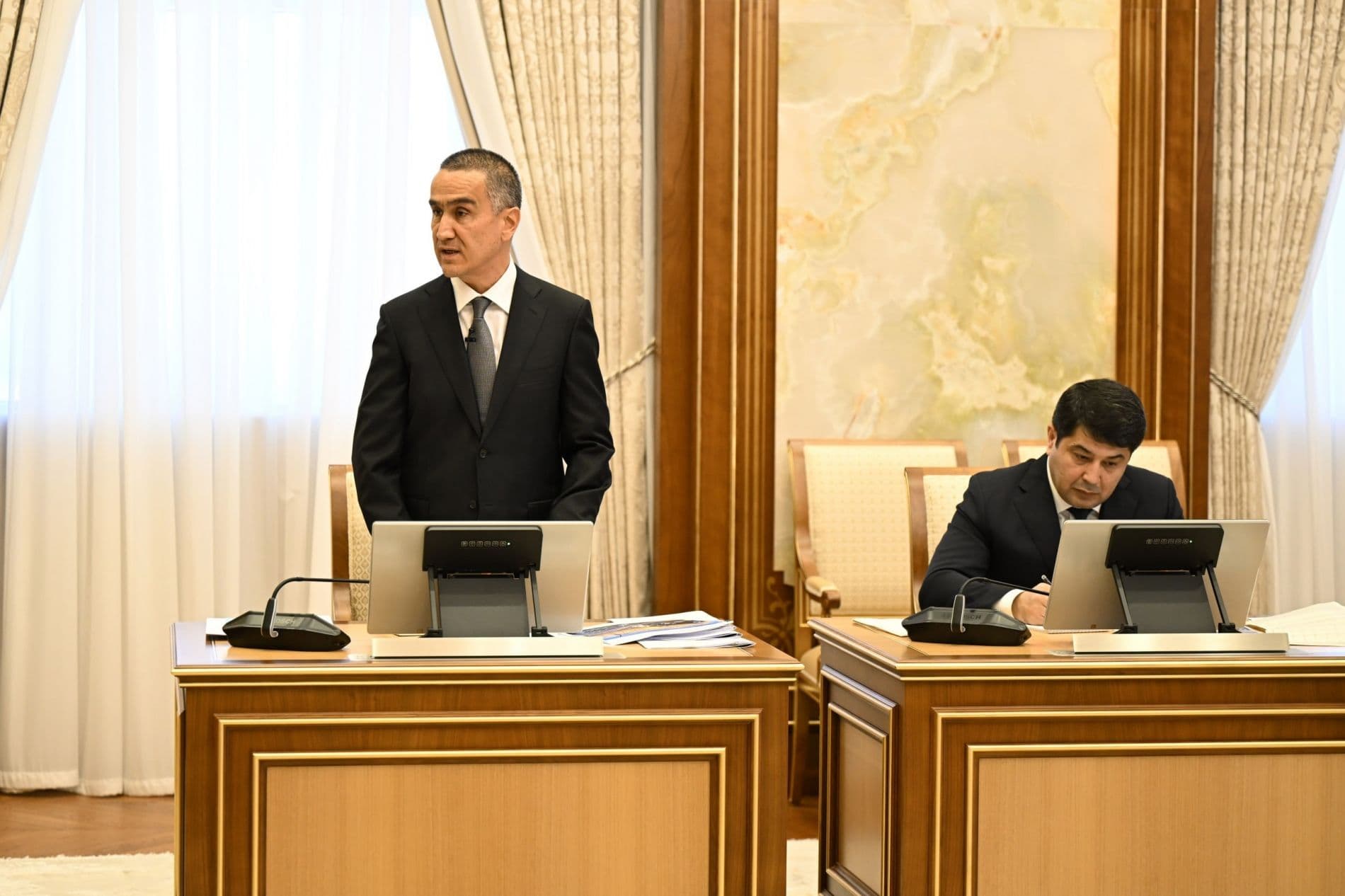
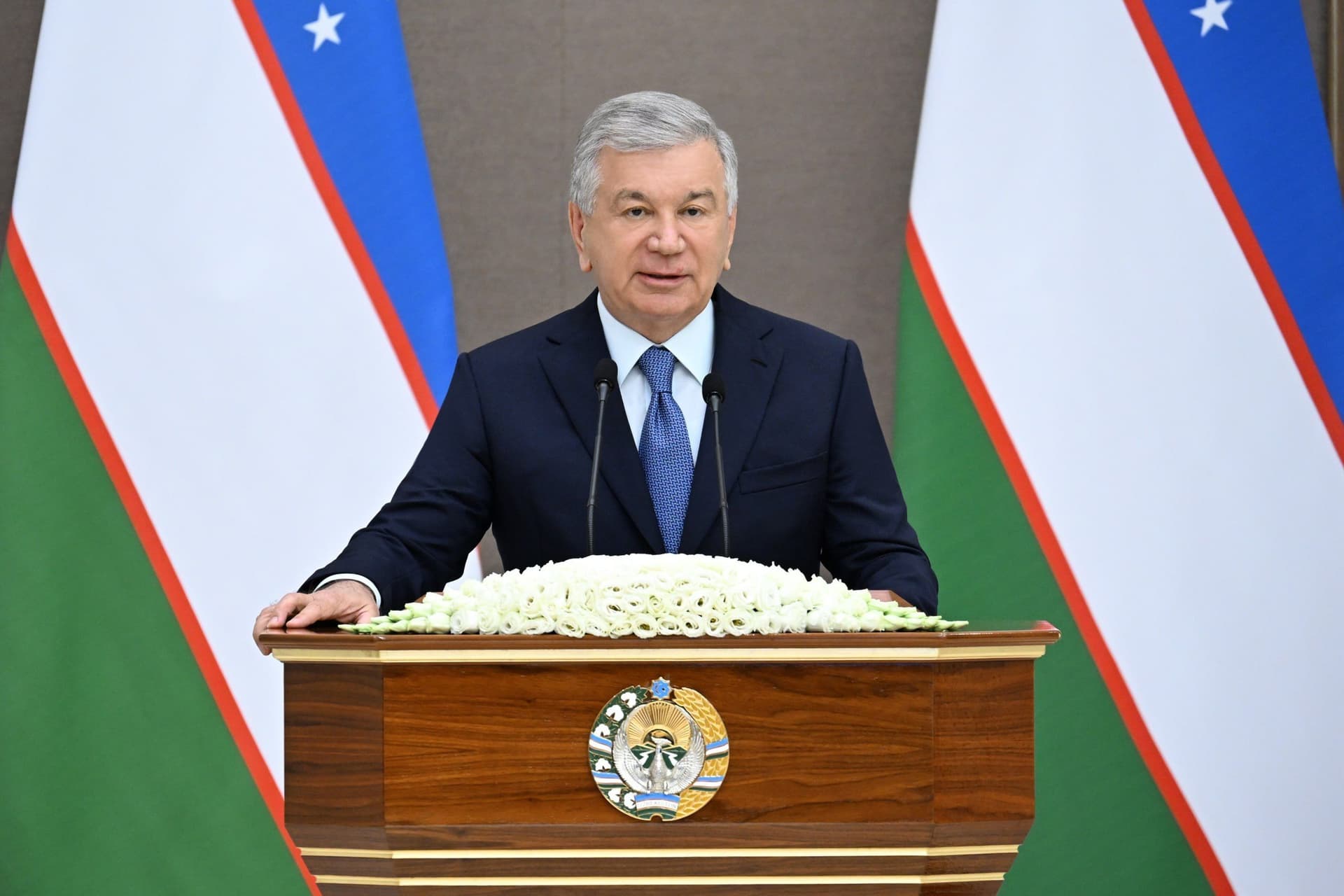
On September 22, 2026, President of the Republic of Uzbekistan Shavkat Mirziyoyev reviewed plans for the medium- and long-term development of the country's power sector, as well as proposals to improve project management mechanisms in the fuel and energy industry.
In recent years, Uzbekistan has actively attracted private capital and foreign investment
into the energy sector, while implementing major projects to create new generation capacity, expand renewable energy sources and modernize the national power grid.
The total installed capacity of solar and wind power plants has exceeded 6.3 GW. The number of hydropower plants has surpassed 100, with their combined capacity approaching 2.5 GW.
With electricity demand expected to continue growing alongside the economy, the country plans a significant expansion of its energy infrastructure.
According to the plans presented, Uzbekistan intends to increase its total power generation capacity to 46.1 GW by 2030, enabling annual electricity generation of approximately 129 billion kWh. By 2035, generation capacity is expected to reach 57.2 GW, with annual electricity production rising to 154.7 billion kWh.
Particular attention is being paid to accelerating solar and wind energy projects and expanding battery energy storage systems (BESS).
As the share of renewable energy increases, energy storage is becoming an increasingly important component of the national power system. Storage facilities can accumulate electricity generated by solar and wind power plants and deliver it to the grid during periods of peak demand.
Currently, 26 energy storage projects with a combined capacity of 4.2 GW have been identified, with 17 projects already under implementation. Additional storage projects are expected to be developed by 2030.
Uzbekistan also plans major investments in electricity transmission infrastructure. By 2030, the country intends to construct nine new 220 kV substations, seven 500 kV substations and nearly 5,000 kilometres of new transmission lines. These facilities will support the integration of new power plants into the national grid and strengthen electricity exchange between regions.
A new approach to developing energy investment projects was also proposed. Under this model, future electricity demand will first be assessed, followed by the planning of the required generation capacity, grid connection points and infrastructure. Investors are expected to be selected through open and competitive procedures.
The planned measures will create further opportunities for the deployment of renewable energy, energy storage technologies and modern, resilient energy infrastructure across Uzbekistan.
Trending
Popular news
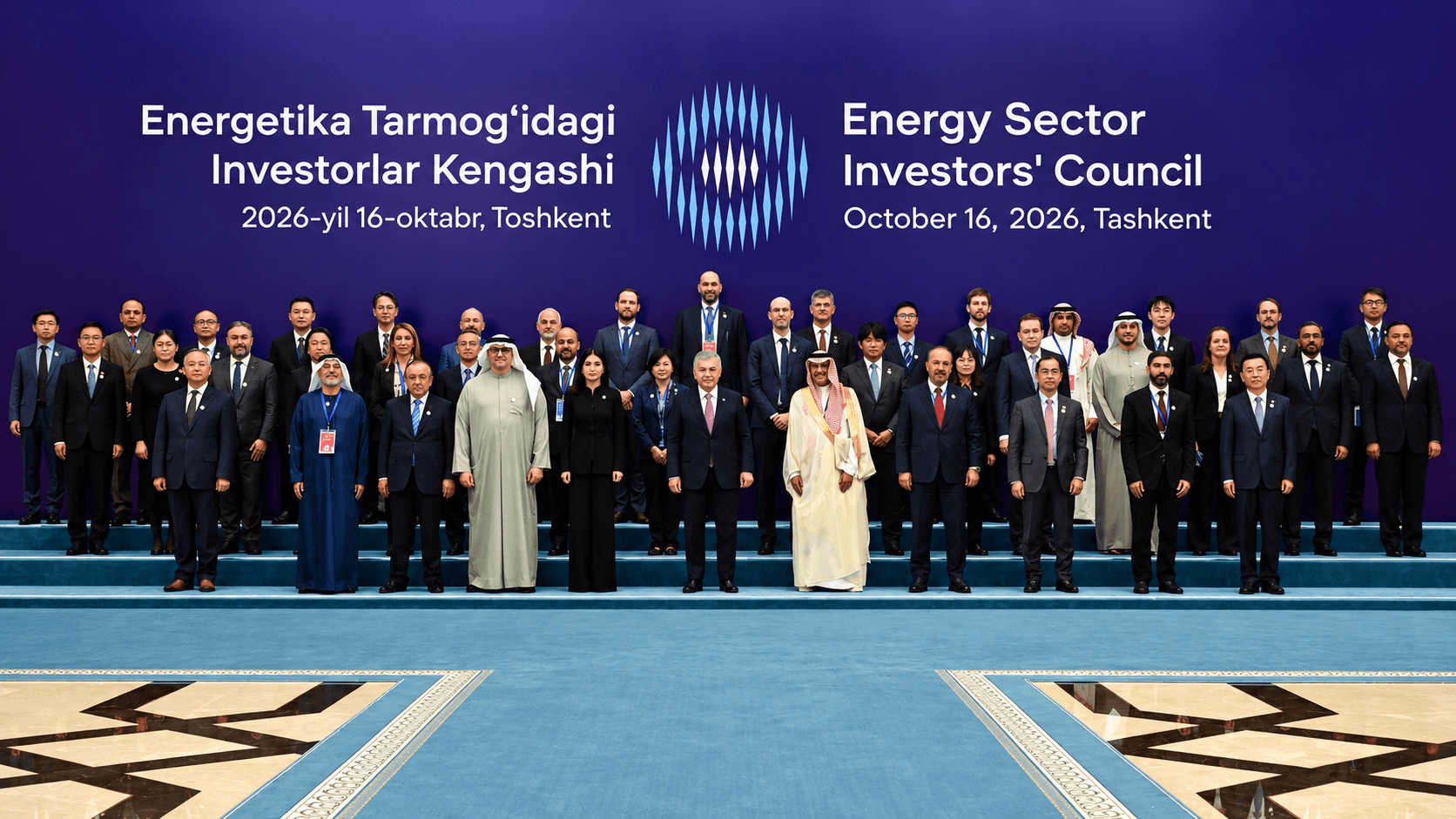
ENERGY SECTOR INVESTORS COUNCIL: GREEN CAPACITY REACHES 11.1 GW
On October 16, President Shavkat Mirziyoyev held an open dialogue in Tashkent with investors in the fuel and energy sector. The event was the first meeting of the Energy Sector Investors Council. Representatives of Global South Utilities (GSU), a partner of Yashil Energiya, also took part in the Council meeting.
October 21 — Uzbek Language Day
The language of every nation embodies its history, national identity, and future. It preserves cultural heritage, shared values, and the connection between generations.
Uzbekistan Launches Major New Energy Facilities, the Largest of Their Kind in Central Asia
In connection with the 35th anniversary of Uzbekistan’s independence, new power facilities with a total capacity of 2,423 MW have been commissioned across the country.
🌍 YASHIL ENERGIYA — DIGEST OF TOP GLOBAL ENERGY NEWS
Yashil Energiya has prepared an overview of the most important developments in the global energy sector. The digest covers energy storage systems, solar energy, electricity grids, electric transportation, hydropower, and energy efficiency.
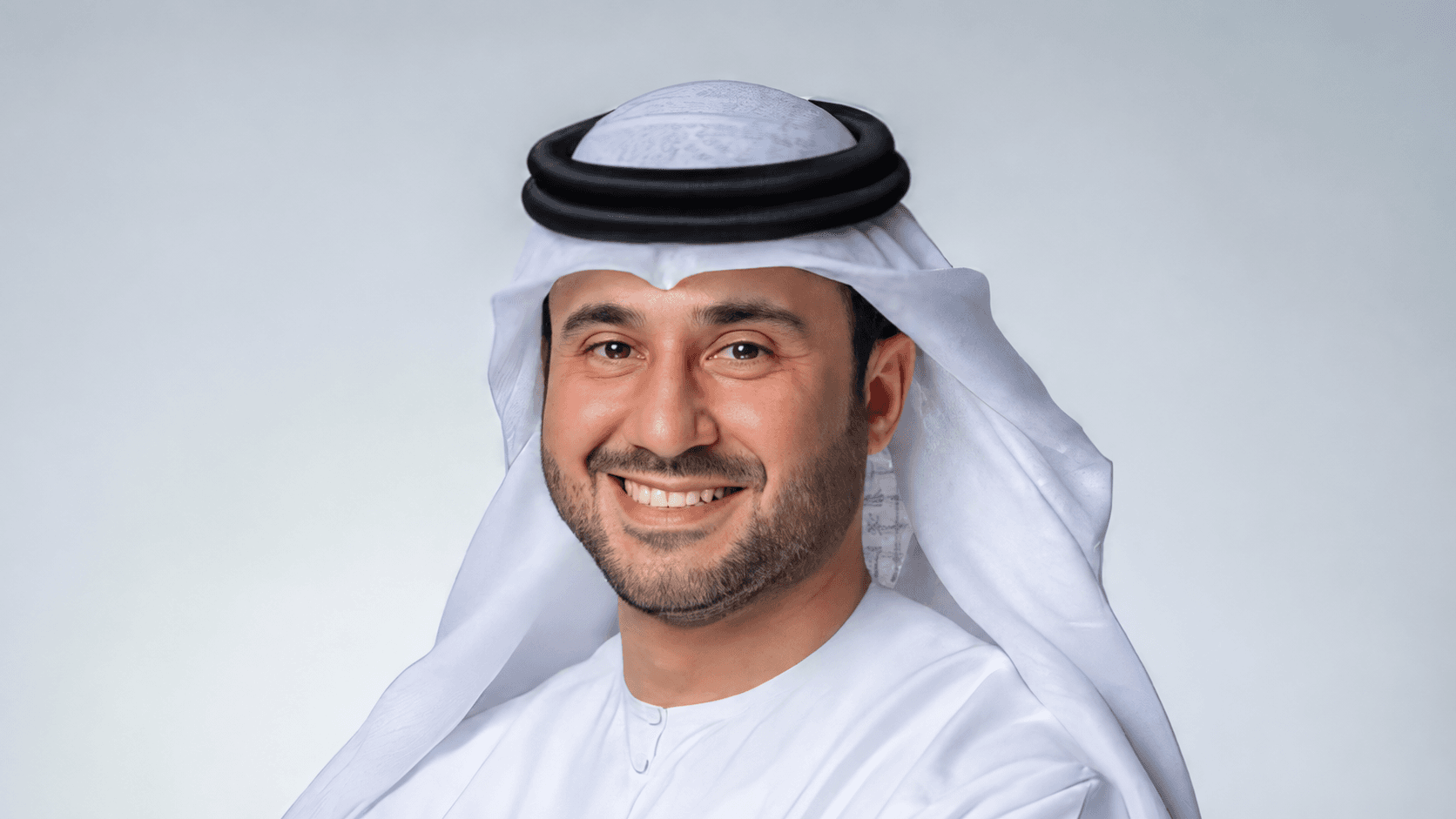
RECOGNIZED BY FORBES: ALI ALSHIMMARI AMONG SUSTAINABILITY LEADERS 2026
Ali Alshimmari, Managing Director and CEO of Global South Utilities (GSU) and Deputy Chairman of the Supervisory Board of Yashil Energiya JV LLC, has been named among the Forbes Middle East Sustainability Leaders 2026.
🌱 THE CONTRIBUTION OF RENEWABLE ENERGY TO GLOBAL ECONOMIC DEVELOPMENT
🌍 Experience of the World's TOP 10 Countries: 10 Days — 10 Countries — 10 Analytical Articles Today, renewable energy sources (RES) are becoming one of the key drivers of global economic development. Solar, wind, hydropower, and other clean energy sources are playing an increasingly important role in industrial development, agriculture, manufacturing, entrepreneurship, and improving people's well-being.