

🌱 THE CONTRIBUTION OF RENEWABLE ENERGY TO GLOBAL ECONOMIC DEVELOPMENT
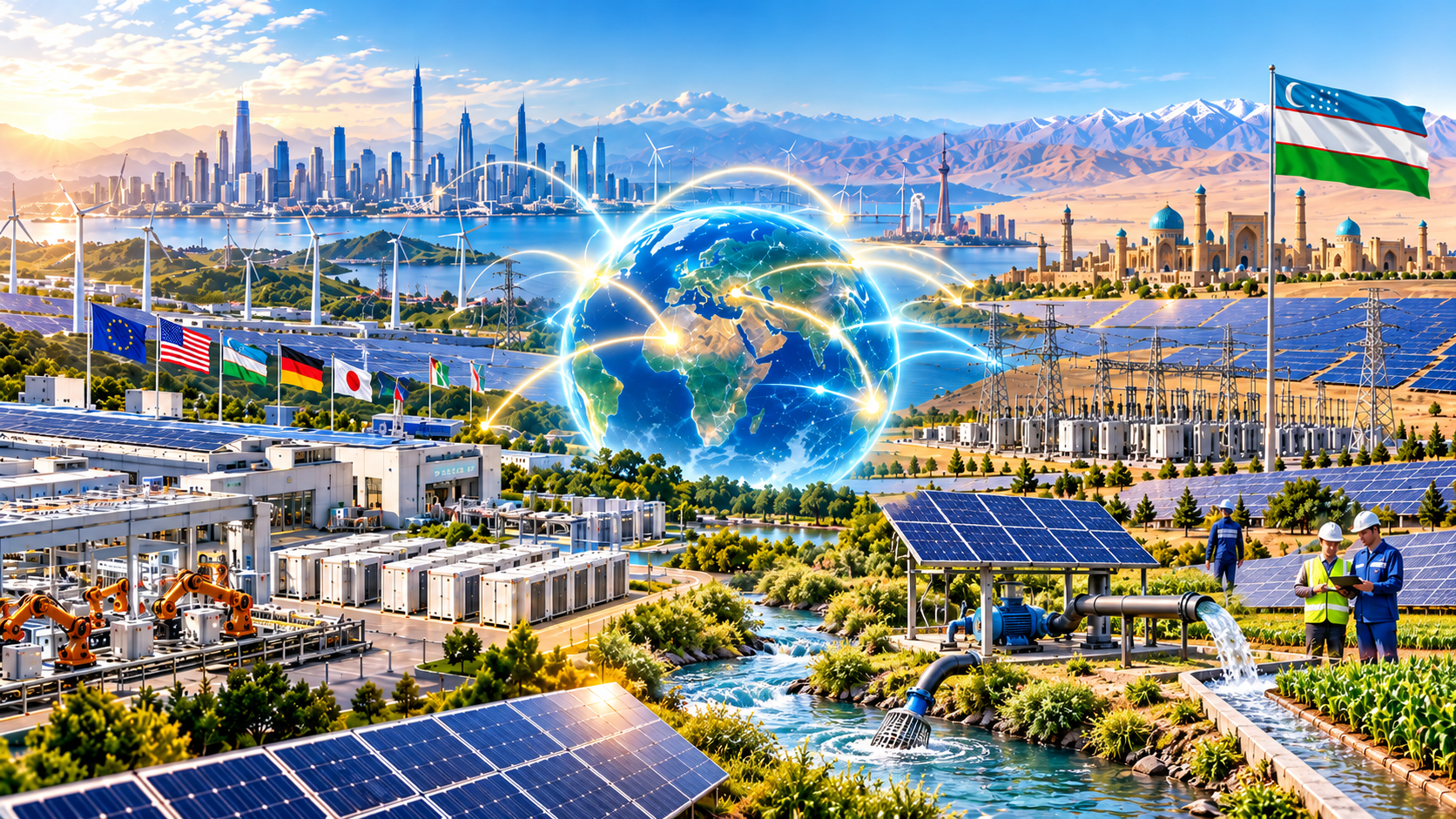
🌱 THE CONTRIBUTION OF RENEWABLE ENERGY TO GLOBAL ECONOMIC DEVELOPMENT
🌍 Experience of the World's TOP 10 Countries: 10 Days — 10 Countries — 10 Analytical Articles
Today, renewable energy sources (RES) are becoming one of the key drivers of global economic development. Solar, wind, hydropower, and other clean energy sources are playing an increasingly important role in industrial development, agriculture, manufacturing, entrepreneurship, and improving people's well-being.
According to international energy organizations, global electricity generation from solar photovoltaic (PV) power plants alone reached 2,778 billion kWh in 2025, representing an increase of nearly 30% compared to 2024.
What economic benefits are the world's leading countries achieving through the development of renewable energy?
🌐 Experience of the World's 10 Leading Countries
🇨🇳 Day 1. China — Industrial Development and Export Growth
In 2025, installed solar power capacity increased by approximately 312.5 GW, reaching 1,200.4 GW. The production of renewable energy technologies, batteries, and electrical equipment has become an important sector of China's industrial economy and exports.
🇺🇸 Day 2. United States — Investment and Job Creation
Solar power capacity increased by approximately 32 GW, reaching 209.5 GW. Renewable energy projects are stimulating investment in construction, engineering, electrical equipment manufacturing, and energy storage systems.
🇮🇳 Day 3. India — Agriculture and Public Welfare
Solar power capacity increased by approximately 33.6 GW, reaching 131 GW. The use of renewable energy is creating new opportunities to reduce electricity costs for irrigation systems and households.
🇩🇪 Day 4. Germany — Energy Efficiency in Industry
Solar power capacity increased by approximately 17.3 GW, reaching 107.2 GW. Renewable energy is helping businesses reduce electricity purchasing costs while supporting the development of energy cooperatives and battery storage technologies.
🇯🇵 Day 5. Japan — Energy Independence and Innovation
Solar power capacity increased by approximately 0.6 GW, reaching 92.2 GW. Renewable energy sources play an important role in reducing dependence on imported fuels and advancing innovative energy technologies.
🇧🇷 Day 6. Brazil — Entrepreneurship and Regional Economic Development
Solar power capacity increased by approximately 11.6 GW, reaching 64.7 GW. Renewable energy projects are stimulating local investment, construction, service industries, and small business development.
🇪🇸 Day 7. Spain — Electricity Prices and Industrial Competitiveness
Solar power capacity increased by approximately 6.3 GW, reaching 44.9 GW. Increased renewable electricity generation is strengthening competition in the electricity market and creating opportunities for industrial enterprises to optimize their energy costs.
🇦🇺 Day 8. Australia — Household Economics and Energy Storage Systems
Solar power capacity increased by approximately 3.9 GW, reaching 42.4 GW. The use of renewable energy is helping households reduce electricity expenses while supporting the growth of the battery energy storage market.
🇮🇹 Day 9. Italy — Reducing Production Costs
Solar power capacity increased by approximately 5.2 GW, reaching 41.2 GW. Renewable energy is creating opportunities to reduce energy costs in industry, agriculture, and the service sector, while also decreasing dependence on imported fuels.
🇰🇷 Day 10. South Korea — High-Tech Industry and Innovation
Solar power capacity increased by approximately 7.4 GW, reaching 34 GW. The development of renewable energy is increasingly integrated with the electronics industry, automotive manufacturing, digital technologies, and energy storage infrastructure.
📢 STAY TUNED FOR OUR UPCOMING PUBLICATIONS!
Over the next 10 days, we will publish a series of analytical articles highlighting the experiences of 10 leading countries in the field of renewable energy!
Each day, we will examine how renewable energy contributes to:
- Industrial development and manufacturing;
- National economic growth and investment;
- Agriculture and entrepreneurship;
- The creation of new jobs;
- Public welfare and household energy costs.
Our publications will feature statistical data, economic outcomes, and practical examples from each country.
🌍 10 DAYS — 10 COUNTRIES — 10 LEADING PRACTICES!
🌱RENEWABLE ENERGY — THE FOUNDATION OF A SUSTAINABLE ECONOMY AND A PROSPEROUS FUTURE!
Trending
Popular news
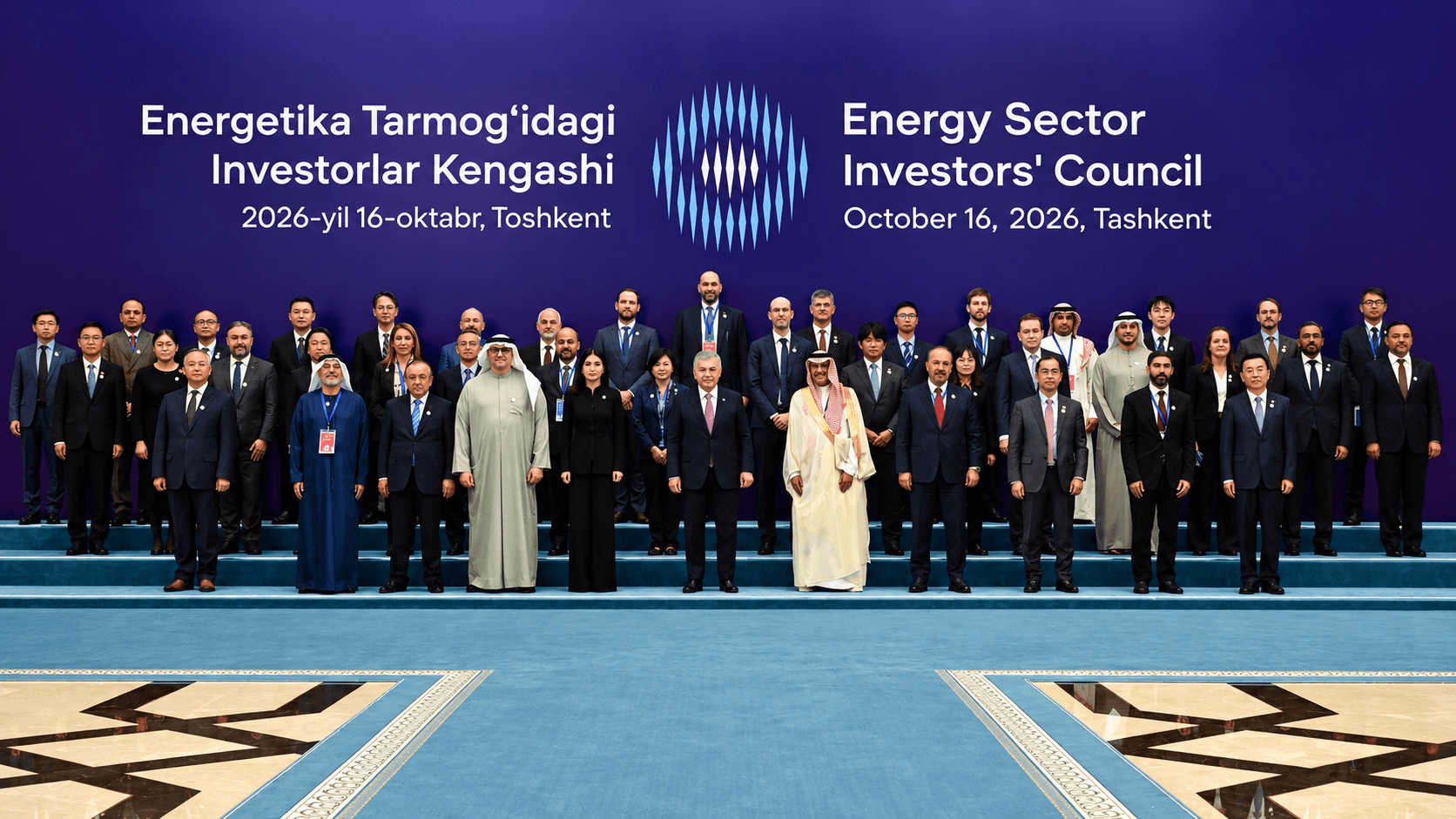
ENERGY SECTOR INVESTORS COUNCIL: GREEN CAPACITY REACHES 11.1 GW
On October 16, President Shavkat Mirziyoyev held an open dialogue in Tashkent with investors in the fuel and energy sector. The event was the first meeting of the Energy Sector Investors Council. Representatives of Global South Utilities (GSU), a partner of Yashil Energiya, also took part in the Council meeting.
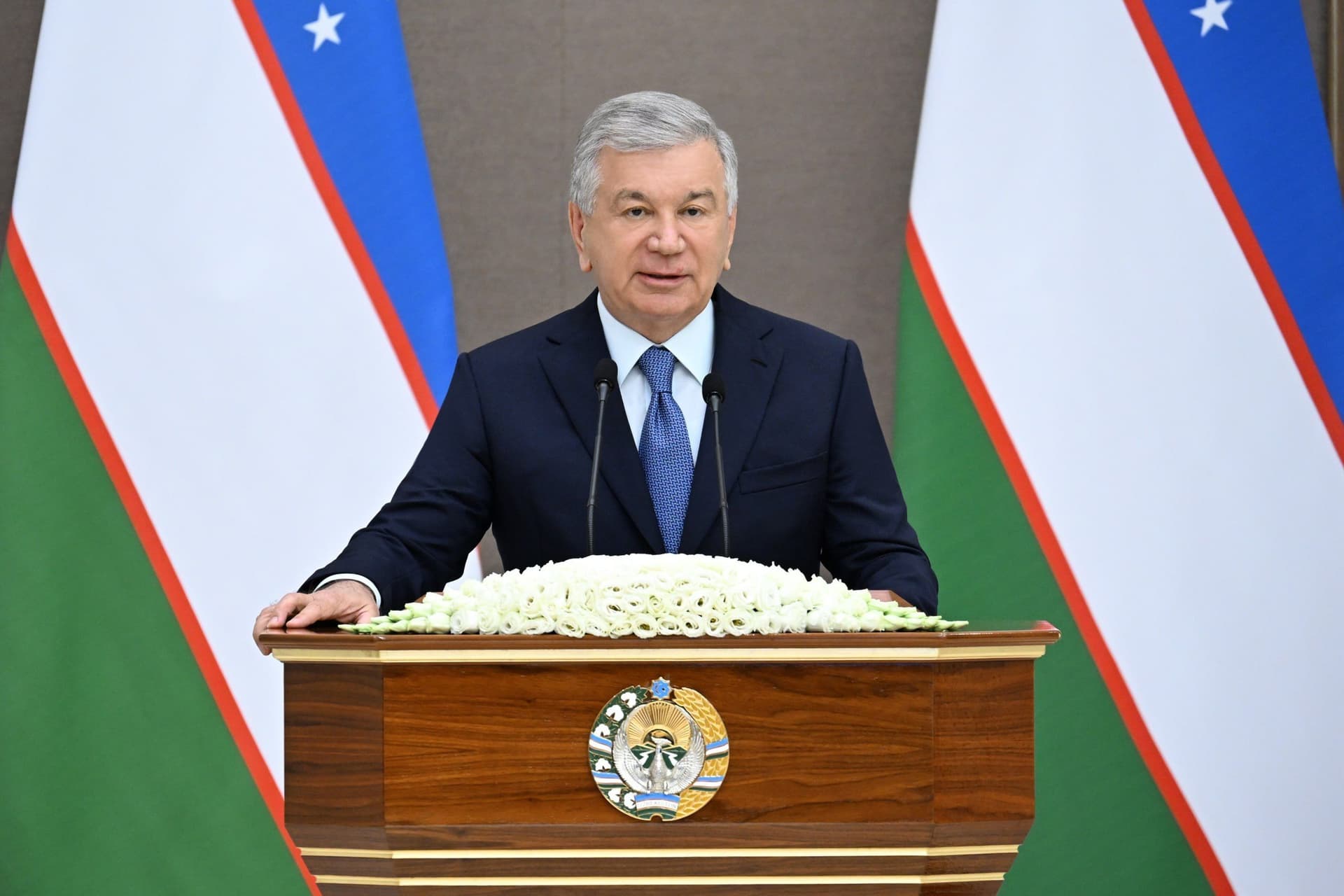
Uzbekistan Launches Major New Energy Facilities, the Largest of Their Kind in Central Asia
In connection with the 35th anniversary of Uzbekistan’s independence, new power facilities with a total capacity of 2,423 MW have been commissioned across the country.
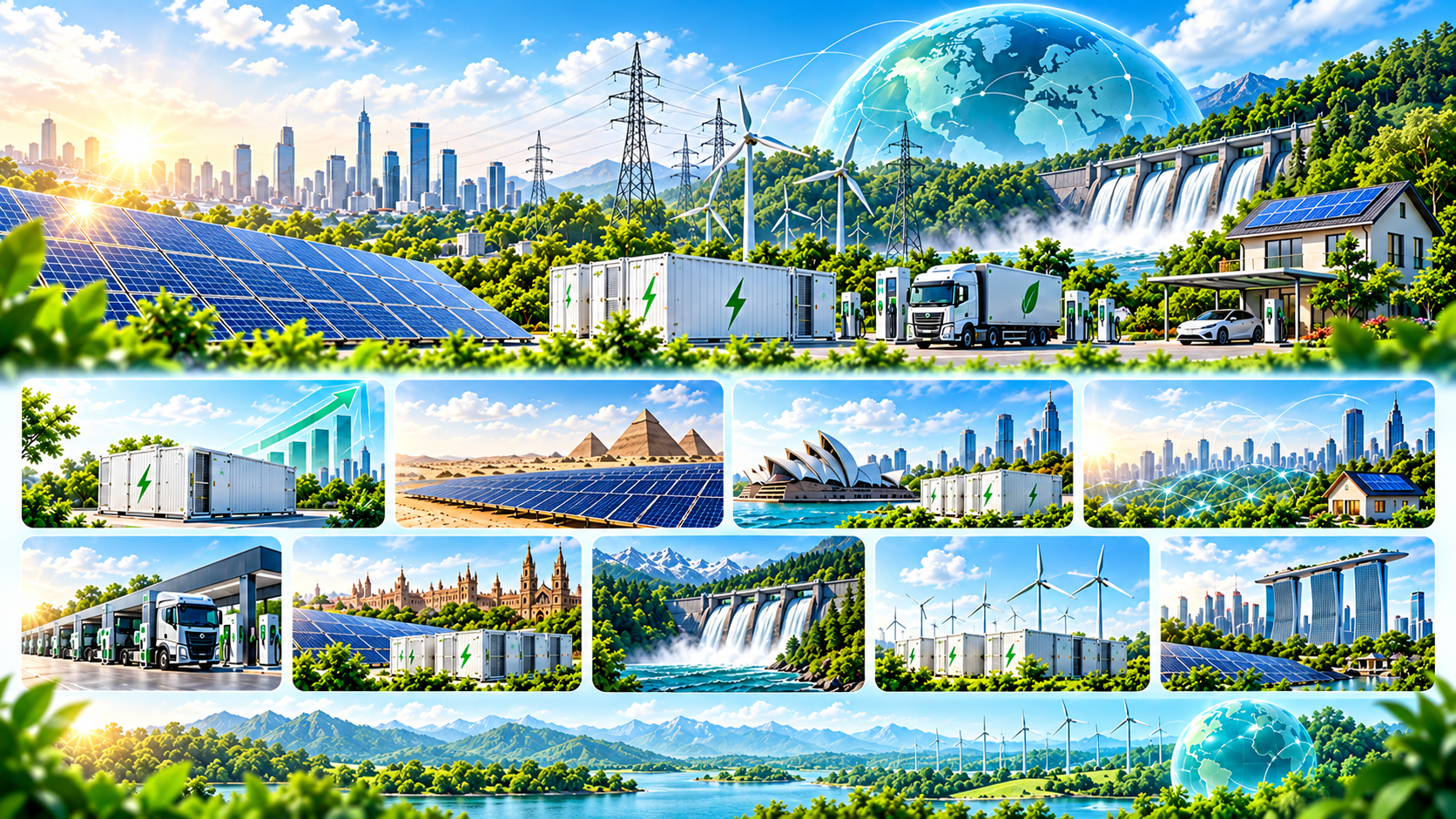
🌍 YASHIL ENERGIYA — DIGEST OF TOP GLOBAL ENERGY NEWS
Yashil Energiya has prepared an overview of the most important developments in the global energy sector. The digest covers energy storage systems, solar energy, electricity grids, electric transportation, hydropower, and energy efficiency.
October 21 — Uzbek Language Day
The language of every nation embodies its history, national identity, and future. It preserves cultural heritage, shared values, and the connection between generations.

An interview was conducted with a representative from Tongwei Co.
Various negotiations were also held with Tongwei Co. regarding the continued mutually beneficial cooperation in the future.
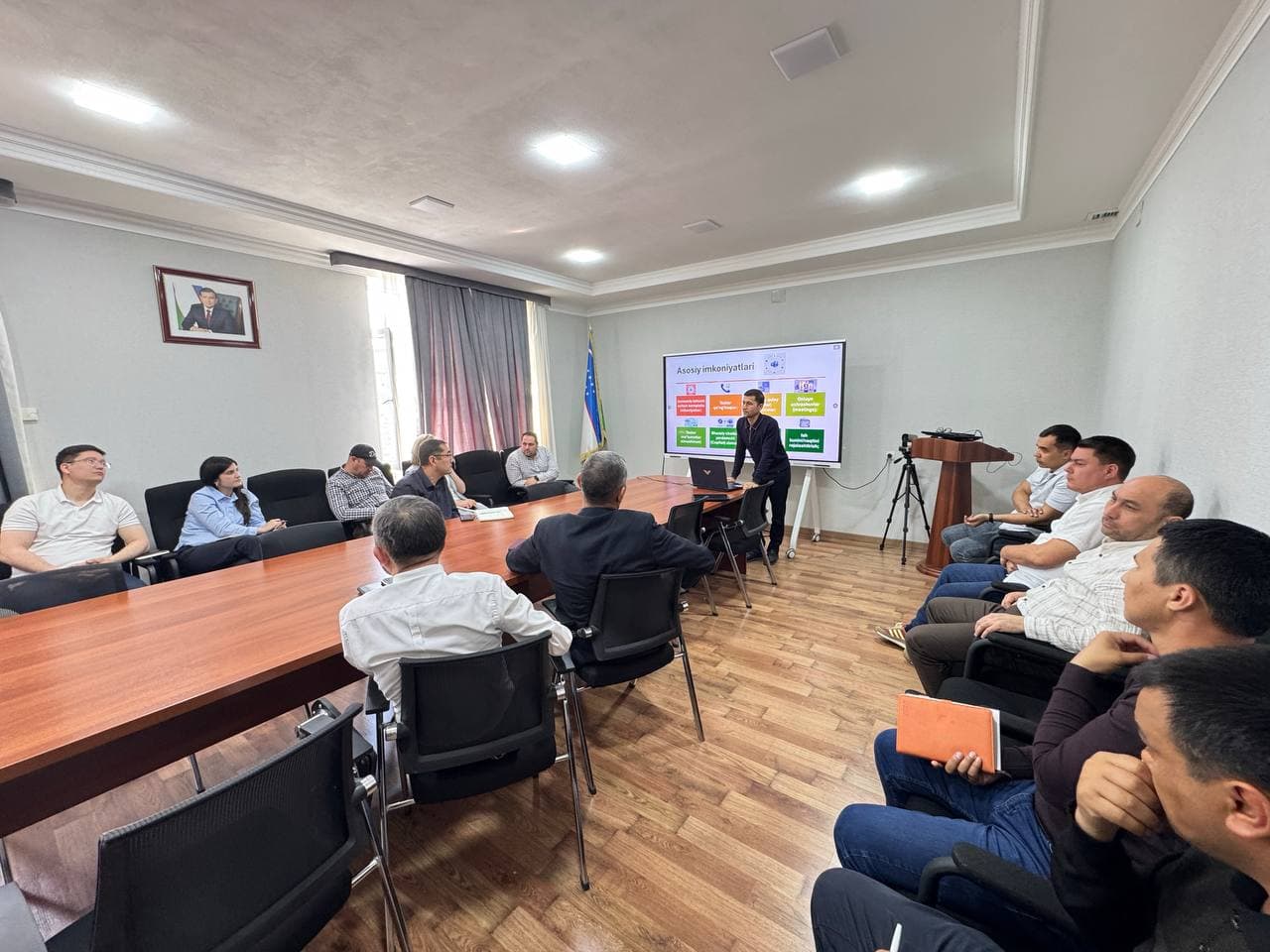
“Yashil Energiya” Sets a Course for Digital Transformation
“Yashil Energiya” hosted a training seminar focused on strengthening digital culture, enhancing information security, and improving internal communication. The event was organized by the IT and Digitalization Department