
🌍 GREEN ENERGY 2026: IT IS NO LONGER JUST ABOUT CAPACITY
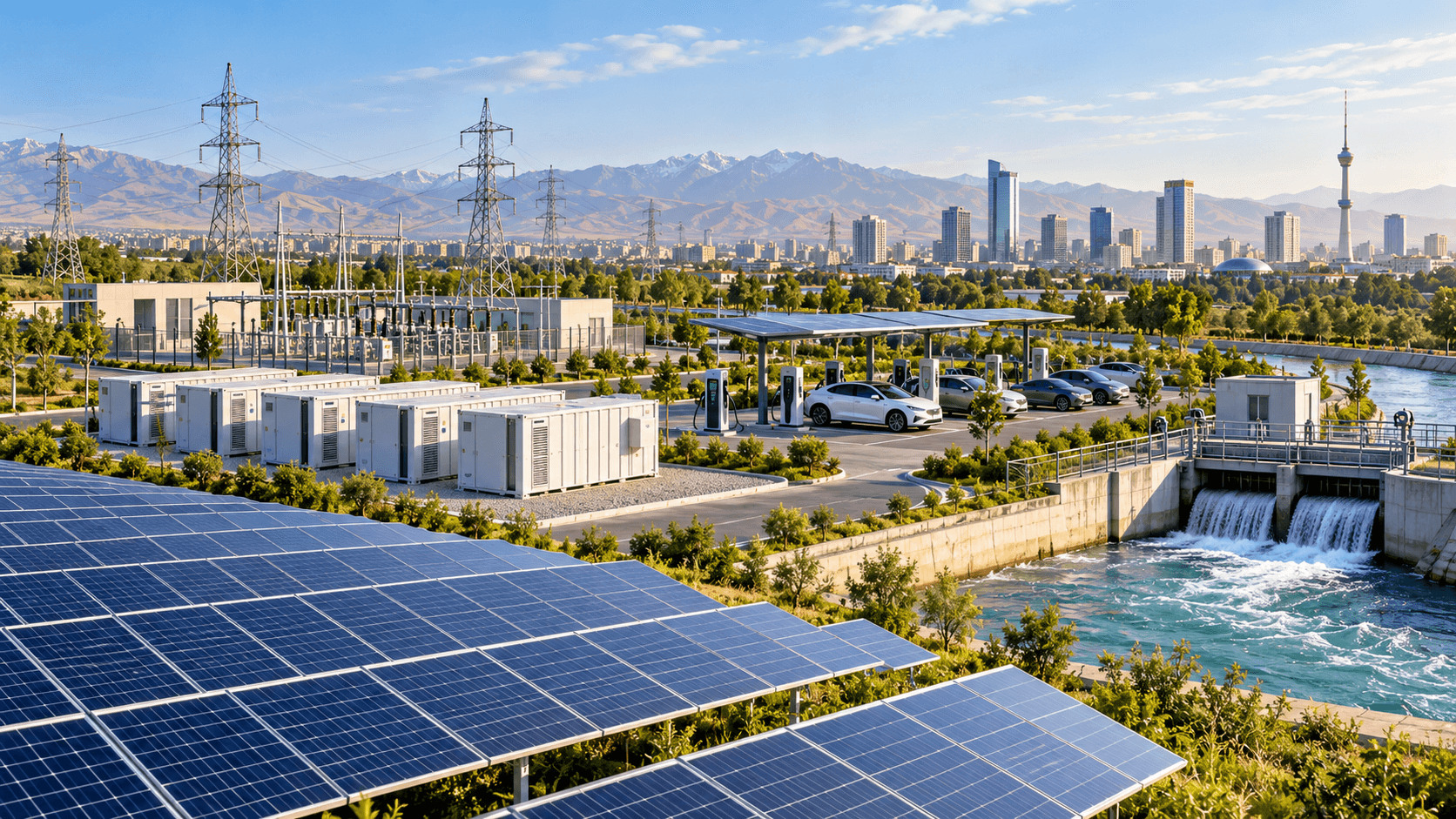
International reports published in 2026 show that the global energy sector is entering a new stage. The main objective is no longer simply to install more solar panels or build additional power plants. Integrating generation, energy storage, electricity networks and consumption into a single manageable system is becoming increasingly important.
It should be noted that many reports published in 2026 analyse the results of 2025 while also providing forecasts for 2026 and beyond.
☀️ Solar energy is becoming a major source of electricity
According to IEA PVPS, approximately 690 GW of new solar capacity was installed worldwide in 2025, bringing total global photovoltaic capacity to 2.96 TW.
Distributed solar generation — small and medium-sized systems installed on buildings, businesses and public facilities — increased from 228 GW to 282 GW within one year.
The International Energy Agency forecasts that global solar power generation will increase by around 600 TWh in 2026. Solar PV is expected to overtake wind power and become the world’s second-largest renewable source of electricity after hydropower.
However, the difference between high daytime generation and peak evening demand is increasing the need for energy storage systems.
🔋 BESS is becoming an essential part of the new energy system
According to the IEA Global Energy Review 2026, 108 GW of new battery energy storage systems — BESS — was deployed worldwide in 2025. This was 40% more than in 2024.
Around 90% of new systems use lithium iron phosphate — LFP — batteries, which are relatively affordable, safe and suitable for frequent charging and discharging cycles.
An IRENA analysis shows that hybrid projects combining solar, wind and BESS can provide stable, round-the-clock electricity in regions with favourable natural resources. At suitable locations, the estimated cost of electricity from “solar + BESS” systems ranges from USD 54 to USD 82 per MWh.
⚡ Electricity grids are becoming a major constraint
According to the IEA, renewable energy projects totalling 1,700 GW and utility-scale battery storage projects totalling 600 GW were waiting for grid connection in 2025.
Digitalisation, dynamic assessment of actual transmission-line capacity and intelligent power-flow management could enable an additional 330 GW of generation, storage and demand to connect to existing grids.
This means that grid connection capacity should be assessed before construction begins on any new energy project.
🚗 Charging stations are becoming part of the energy system
According to the Global EV Outlook 2026, almost 1.8 million new public charging points were installed worldwide in 2025. Their total number exceeded 7 million, with China accounting for more than 65% of global public charging infrastructure.
In the future, not only the number of charging stations but also their capacity, location and impact on the electricity grid will be important. Combining an EV charging hub with solar generation and BESS can help reduce peak demand.
💧 Micro hydropower provides stable local generation
According to the International Hydropower Association, global hydropower capacity increased by 28 GW in 2025. Total pumped-storage hydropower capacity exceeded 200 GW for the first time.
Uzbekistan plans to construct nearly 3,000 small and micro hydropower plants with private-sector participation. According to official information published on 19 August 2026, 64 facilities with a combined capacity of 41.6 MW had been commissioned. The country plans to increase the total capacity of small and micro hydropower plants to 204.8 MW by 2030.
📊 Conclusion
The trends of 2026 show that an effective energy project can no longer consist of a stand-alone power plant alone.
For Yashil Energiya, the most promising approach is to develop solar power plants, BESS, consumption-monitoring systems, smart charging infrastructure and micro hydropower as an integrated energy solution.
The future of energy depends not only on producing more electricity, but also on storing it, delivering it when needed and using it efficiently.